Textile Buyer Enquiry Automation is a way to turn a buyer’s message into a structured requirement, a clear next action and an accountable follow-up. For a textile business, the aim is not to automate every conversation. It is to make important enquiry information easier for the right person to review and act on.
RadhaVrind’s Textile Buyer Enquiry Automation project demonstrates this approach through a prototype. This guide explains the proposed workflow, where human judgement remains essential, and what a business should agree before implementing a customised solution.
**Demo notice:** This is a prototype demonstration using sample data. The figures shown are illustrative and are not results from a live textile business. It is not a completed client deployment. The full solution will be scoped and customised after client requirements are agreed.
## What makes a textile buyer enquiry difficult to manage?
An enquiry may combine product requirements, quantities, specifications and follow-up needs in one message. Different parts may need attention from different people. A requirement is not fully managed simply because someone has read the message: the team also needs to know what is missing, who owns the next step and whether a response is due.
For example, a hypothetical buyer might ask about a fabric type and quantity without confirming a delivery requirement. That should prompt a clarification, not an assumed specification or an automatic commercial commitment. This example is illustrative, not a customer case study.
## How the proposed automation workflow works
The workflow presented on the RadhaVrind project page is:
**Buyer Enquiry → AI Information Extraction → Requirement Identification → Next Action → Team Assignment → Central Record → Follow-up & Visibility.**
### 1. Capture and understand the enquiry
The starting point is the buyer’s requirement. AI-assisted information extraction can help structure what was actually supplied. Unclear or missing details should remain flagged for review rather than being filled in as facts.
### 2. Identify the requirement and next action
The proposed solution extracts requirements and suggests what should happen next. Depending on the agreed business process, the next action might be asking a clarifying question or passing the requirement to the relevant person. These are possible uses, not a claim that every option is already implemented.
### 3. Assign responsibility
A suggested action becomes useful when someone is responsible for it. The prototype approach includes team assignment so that an enquiry has an owner rather than becoming a shared message with no clear next step.
### 4. Keep a central record and follow-up visibility
A central record connects the requirement with its next action and follow-up. The objective is to help the team understand buyer opportunities more systematically. Any improvement in response speed, workload or business outcomes would need to be measured in an actual agreed implementation.
## What information should your team agree to record?
The following is a planning checklist, not a list of confirmed prototype fields:
- Buyer and contact details needed for the enquiry.
- Product or fabric requirement as stated by the buyer.
- Quantity, specifications and any unanswered questions.
- Person responsible for the next action.
- Follow-up date and current enquiry status, if these suit your process.
Your team should decide which details are essential, who may view them and how long records should be retained. Do not collect information simply because a tool makes it possible.
## Where human judgement remains important
AI should assist the team, not silently approve prices, availability, delivery promises or commercial terms. A responsible person should review extracted details, resolve ambiguity and approve buyer-facing commitments. Errors and uncertain interpretations need a clear route back to human review.
## Watch the Textile Buyer Enquiry Automation demo
[Watch the Textile Buyer Enquiry Automation demo on the RadhaVrind project page](/business-solutions#projects).
The existing Textile Buyer Enquiry card contains the video demonstration. It shows a sample workflow for processing requirements, suggesting a next action and assigning follow-up through a central record. It does not establish achieved revenue, time savings or results from a live textile business.
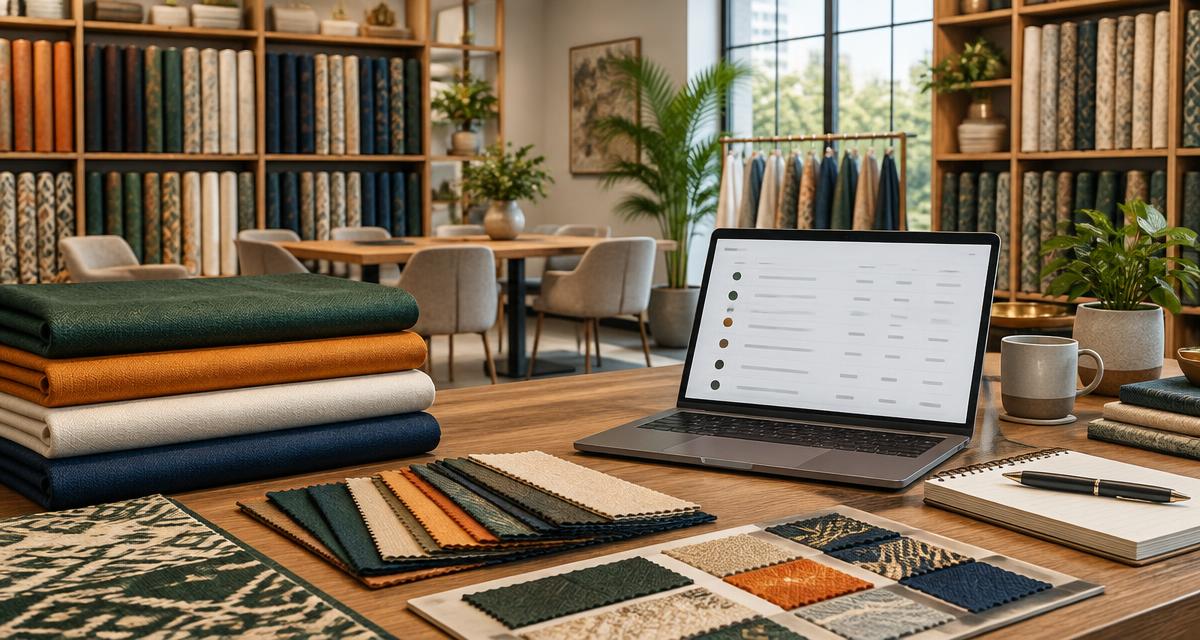
**Cover image note:** The cover is an AI-generated editorial illustration of a textile enquiry workspace, not a photograph of a client office or a screenshot of the prototype.
## Start with the problem, then agree the solution
RadhaVrind’s approach is: **Understand the Problem → Design the Solution → Build & Integrate → Test, Handover & Improve.**
Before implementation, discuss your current enquiry process, the people involved, the information they need and the specific outcome you want to evaluate. Agree the scope, any connections to existing tools, review responsibilities and acceptance checks before building. No price, delivery timeline or return on investment is promised here.
The principle is simple: **“Don’t Automate Everything. Automate What Creates Business Value.”**
## Frequently asked questions
### Is this a finished solution deployed for a textile client?
No. The project is a demo prototype using sample data. A full solution would be scoped and customised after client requirements are agreed.
### Does enquiry automation replace the sales team?
The proposed approach supports information handling, assignment and follow-up visibility. People remain responsible for buyer relationships and commercial decisions.
### Can it connect to our existing tools?
Any connection to your existing communication or business tools must be assessed and agreed during scoping. This article does not promise a ready-made integration.
### What should we prepare for a discussion?
Describe your current process, recurring difficulties, team responsibilities and desired outcome. Use anonymised examples initially; do not send confidential buyer records without agreeing how they will be handled.
## Discuss your textile enquiry process with RadhaVrind
[Discuss your requirements with Rajesh Kumar](/business-solutions#contact), founder of RadhaVrind — AI & Digital Solutions.
**WhatsApp: +91 7009708305.** Message Rajesh directly on WhatsApp; the contact page includes a Copy Number button.
Email: [desirachh@gmail.com](mailto:desirachh@gmail.com?subject=Business%20Process%20Discussion%20%E2%80%93%20RadhaVrind).
[Read this guide in Hindi](/blog/textile-buyer-enquiry-automation-hindi). You can also [read about the wider RadhaVrind Business Solutions initiative](/blog/radhavrind-business-solutions-ai-automation).
Tags: Textile Buyer Enquiry Automation, RadhaVrind, Enquiry Management, Business Process Automation
Originally published on Compare Before You Buy —
India's trusted price comparison platform for Amazon, Flipkart, Myntra & more.